About The Farm & Family
Our Farm Story
From Three Acres to Mema’s Inclination
Our family farm is built on curiosity, resilience, and a commitment to responsible agriculture. We combine sustainable farming practices with practical technology to improve animal care, strengthen biosecurity, and work more thoughtfully with the land.
Our journey began during the early days of the COVID-19 pandemic, after a fire destroyed our first home. We relocated from a half-acre lot in downtown Plymouth, New Hampshire, to three acres in Gilmanton—known as the inspiration for Peyton Place. At the time, those three acres felt enormous. They soon became the setting for our greatest adventures in animal husbandry, regenerative farm practices, and understanding agriculture’s importance within a community.
Our First Shetland Sheep
We arrived in Gilmanton with our dogs, chickens, and a duck or two. After spending a month looking at the empty pasture beside our little barn, we decided it was finally time to raise the Shetland sheep we had wanted for years.
We told ourselves the sheep were for our Shetland Sheepdogs to chase. In reality, the primitive and highly spirited Shetland sheep sometimes chased the dogs instead.
Our first four sheep came from the knowledgeable and generous Nadine Chounet, who helped us understand what makes the Shetland breed special. The sheep demonstrated their famous personalities immediately: on their first night, they escaped and toured the neighborhood, introducing themselves to our new neighbors—and sampling more than a few of their plants.
It was an intense but memorable way to meet the community during the first summer of the pandemic.
Providing a Home for Alpacas
Once the sheep were settled, we discovered another fiber animal we loved: the alpaca.
We began offering a safe home to alpacas in need, including animals recovering from meningeal worm infections and those coming from loving farms whose owners could no longer care for them. Animals arrive here for many reasons, and we welcome them without judgment.
Rescue and rehabilitation have taught us that good intentions must be supported by careful observation, appropriate quarantine procedures, sound veterinary guidance, and a willingness to continue learning.
Hard Lessons in Animal Health
Not every chapter of our story has been joyful.
We accepted a flock of Soay sheep in extremely poor condition. Despite our efforts, we lost them to predators and coccidiosis. The resulting disease exposure also affected animals that had previously been healthy. Ultimately, we lost four sheep and four alpacas. Some of our surviving lambs experienced stunted growth associated with a nematode infection.
The experience was devastating, but it permanently changed how we manage our farm. It taught us to “trust, but verify.”
Today, several principles guide every decision we make:
- See an animal firsthand before purchasing, adopting, or promising to take it home. New farmers should bring someone experienced who knows what to look for.
- Always follow appropriate biosecurity and quarantine procedures when introducing animals to a farm.
- Ask experienced farmers and veterinary professionals for guidance. Seeking help is not a sign of failure—it shows a willingness to learn, prevent avoidable mistakes, and protect the animals already in your care.
With time, treatment, and a great deal of work, we brought the farm through the cascade of illness. The experience strengthened our commitment to responsible animal husbandry and continuing education.
Preparing to Grow
In early spring 2023, we began searching for a larger property. We also researched cattle and pigs, reading extensively and considering how each species would fit our approach to land management.
We eventually determined that conventional cattle were not the right match for our goals. Instead, we chose pasture-raised pigs and yaks, along with dual-purpose sheep that could contribute both meat and milk.
We had previously welcomed five beautiful Tunis sheep from a neighboring farm that closed unexpectedly. Sadly, they arrived during the coccidiosis crisis, and we lost three before we understood what was happening. Sheep often conceal signs of illness, making early detection especially difficult.
As the farm recovered, we found a registered Tunis ram from a small hobby breeder and welcomed two Friesian–Tunis crossbred ewes from Vermont Shepherd.
Meishan Pigs Join the Farm
During the summer of 2023, we found Meishan pigs offered by reputable breeders. After developing a plan and preparing a secure enclosure, we brought them to our three-acre farm in June.
Following the challenges we had experienced with sheep and alpacas, the pigs felt refreshingly manageable. Their arrival marked an exciting new stage in our effort to raise animals in ways that complement the land.
The Yak Herd That Changed Everything
While researching yaks, Ivy discovered a herd for sale in northern Vermont. The animals initially had another buyer, but when that arrangement fell through, the herd’s owner, Noah, contacted us about purchasing the entire group.
We met with Noah’s partner, Danielle, visited the animals, and learned more about their needs and daily care. After careful consideration, we signed an agreement to welcome a herd of 25 yaks into our growing family of animals.
There was just one obvious challenge: three acres no longer felt very large.
Finding the Future Home of Mema’s Inclination
On July 9, 2023, we signed an agreement to purchase what we hoped would become the future home of Mema’s Inclination. That purchase fell through in October.
We put our expansion plans on hold for the winter and focused on improving animal health, refining our farm practices, and continuing our education.
In spring 2024, we made an offer on a property in Burke, New York. The purchase became an adventure of its own—but that is a story for another day.
Mema’s Inclination grew from hardship, hard-earned lessons, and a deep love for animals and agriculture. We continue to learn from the land, from our animals, and from the people willing to share their experience with us.
Our farm is always evolving, but our purpose remains the same: to care responsibly for our animals, use the land thoughtfully, and help build a more informed and resilient agricultural community.
Meet The Team
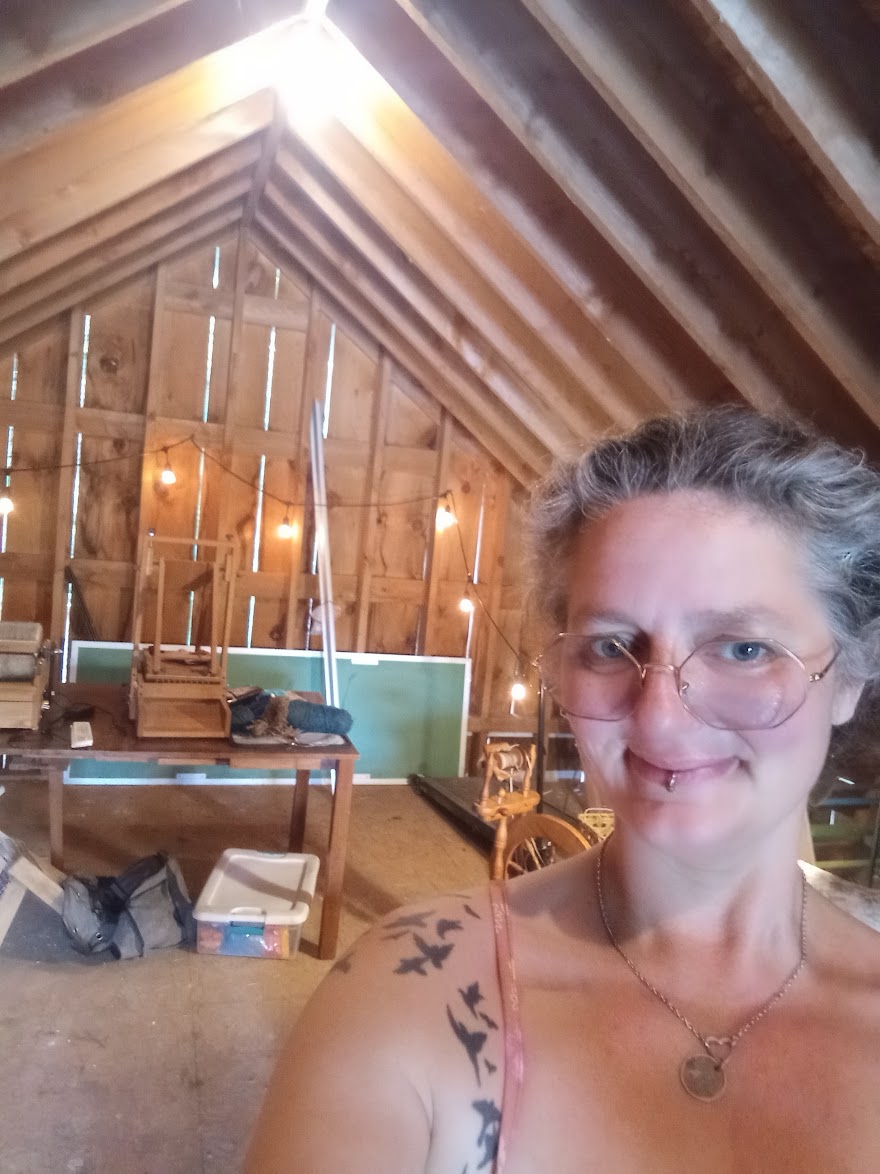
Ivy Page
Farm Visionary
Ivy has worn many hats throughout her life, but animals have always been her people. Raised in Georgia, she spent her first 22 years in the South before making a home in New Hampshire, where she taught English at colleges and universities across the state. Along the way, she wrote books of poetry that found their way into the world—and onto bookshelves internationally.
Today, Ivy brings a poet’s imagination, a teacher’s curiosity, and a farmer’s hard-earned persistence to Mema’s Inclination in Burke, New York. As the farm’s visionary, she dreams beyond what is and sees what might be, then helps guide those ideas into being. Her days encompass animal care, sustainable agriculture, farm technology, biosecurity, and the thousand small decisions that allow a wonderfully diverse farm to thrive.
After years of unforgettable adventures with sheep, alpacas, pigs, yaks, poultry, and dogs, Ivy knows that farming requires equal measures of science, patience, humor, and hope. She finds her greatest joy among the animals and plants, where laughter is never far away and a little everyday magic is always waiting to be discovered.
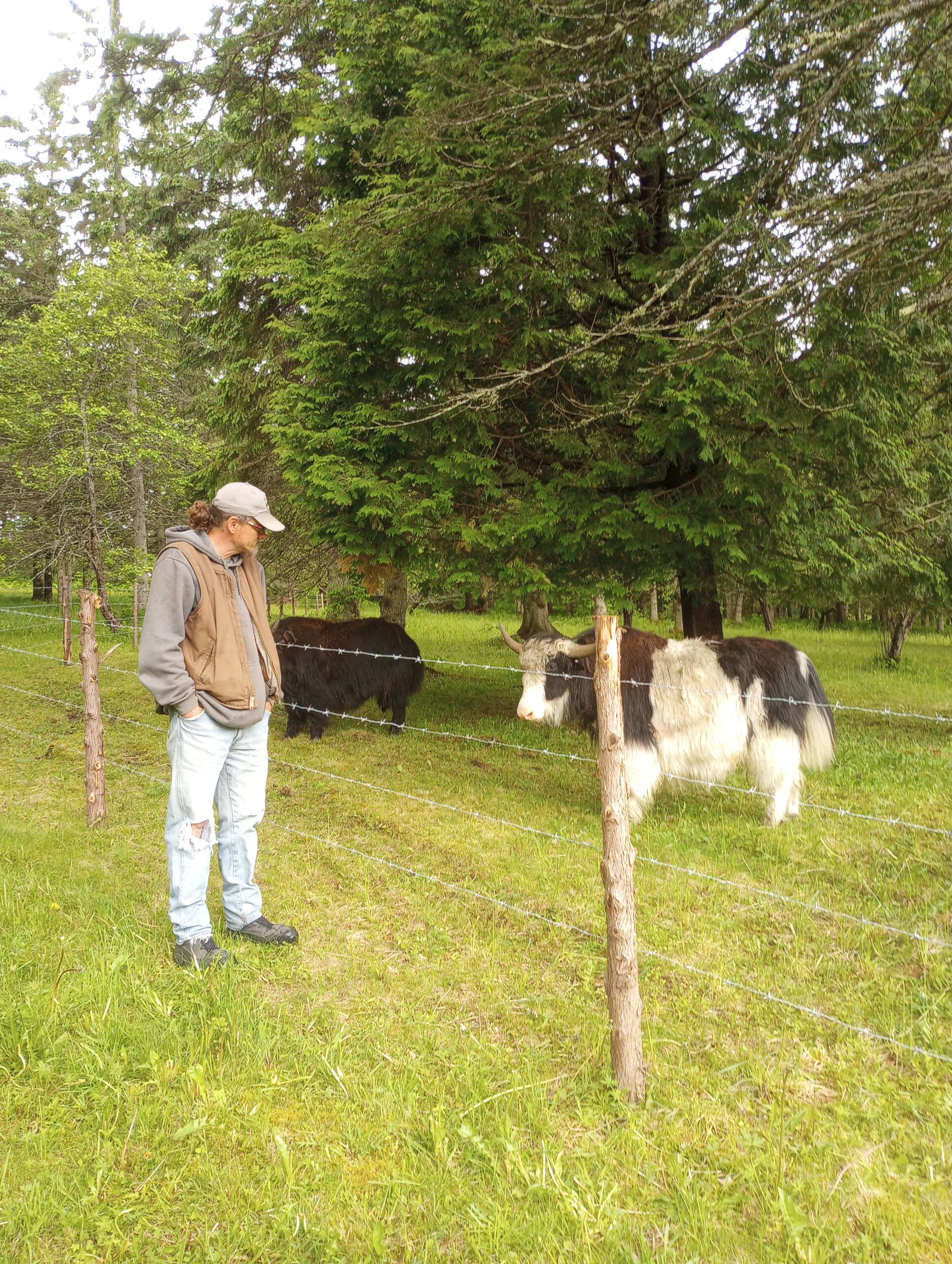
Stephen Page
Systems Builder & Heritage Steward
Stephen is a builder, problem-solver, and pragmatic systems thinker. For over a decade, he worked in software development leadership, guiding engineering teams and translating complex digital code into reliable, functional tools. Following a corporate restructuring in late 2025 that brought that tech chapter to an abrupt close, he redirected his energy from terminal screens directly into physical soil, timber, and livestock.
At Mema’s Inclination, Stephen brings his engineering background firmly down to earth. Whether he’s refactoring paddock corridors, over-engineering farm infrastructure to handle harsh northern winters, or deploying low-cost, resilient local tech, his focus is always the same: utility-first solutions built to outlive the moment.
Alongside building physical infrastructure, Stephen’s heart lies in preserving heritage livestock breeds and sharing their value with others. To him, these animals are far more than rare breeds—they are living pieces of agricultural history, carrying generations of proven resilience, adaptability, and purpose.
Working at the intersection of practical innovation and multigenerational preservation, Stephen helps ensure Mema’s Inclination builds smartly for the future while remaining grounded in the enduring wisdom of physical work and hard systems.